Fire Resistance Testing
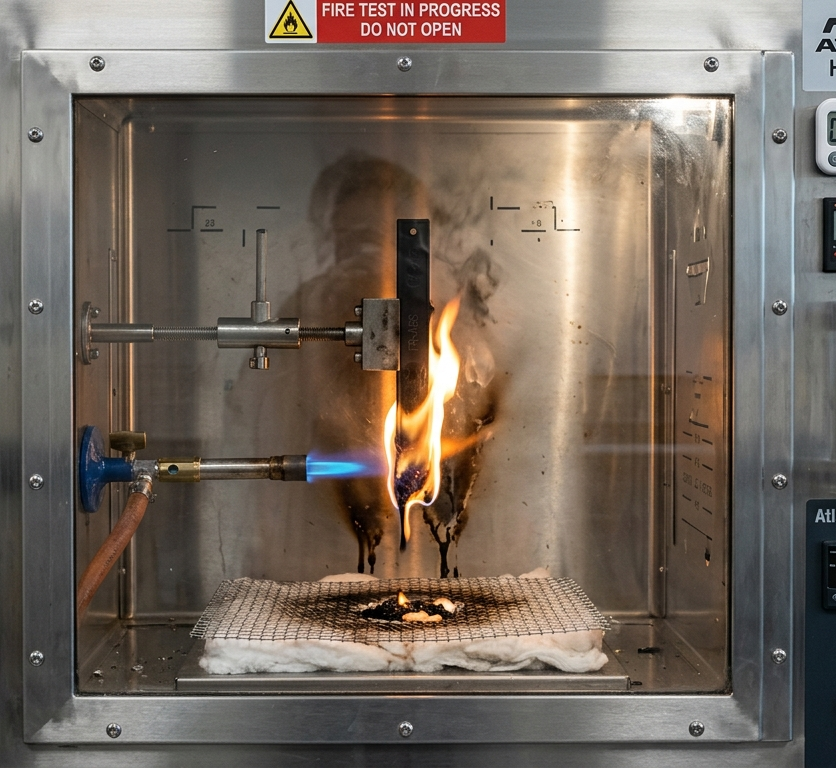
Fire Resistance Testing – Ensuring Material Safety and Performance Fire resistance testing helps determine how materials react when exposed to heat and flames. These tests provide valuable information regarding flammability…
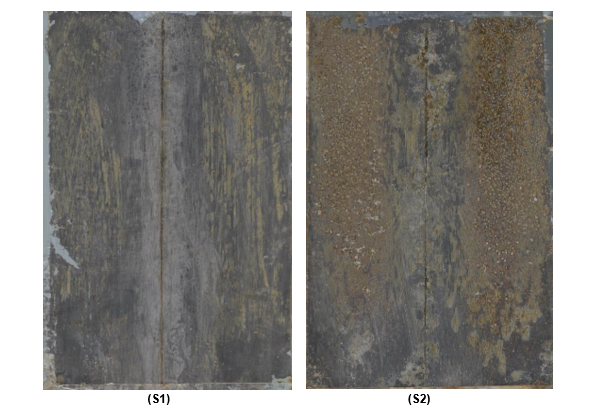
Evaluation of a Newly Developed Anticorrosive AdditiveWe recently worked on an interesting project focused on the development and evaluation of a new anticorrosive additive.The client’s objective was clear:Compare the performance…
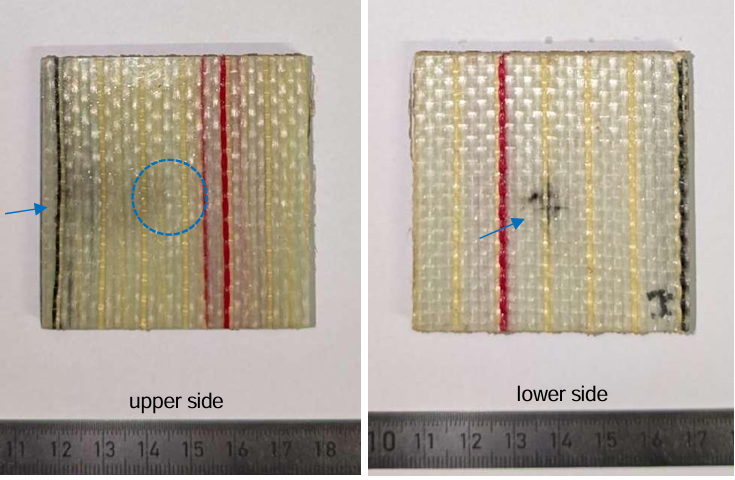
Dielectric test according to ASTM D149-09 2014 1. TEST OBJECTSample 1: GSL1 10,5 mm Sample 2: GSL 7mm The sample material was provided by the client. 2. TASK Electrical strength (AC) according to ASTM D149-09:2014 Test ParametersEnvironmental conditions Table 1 Environmental conditions T Min. T Max. r.H. Min. r.H. Max. 21 °C 25 °C 40 % 60 % 3. Electrical strength (AC) The test is carried out in the non-accredited area. Equipment: Dielectric tester DT 2 -50-20-SR-Pi-C, Sefelec Specimen: Dimension: approx. 60 mm 60 mm thickness Number: 3 Test parameters: Range of measurement: max. 51 kV AC, 50 Hz Electrodes: spherical Ø 20 mm – spherical Ø 20 mm Voltage slew rate: approx. 2000 V/s Test medium: Shell Diala S2 ZU-I Dried insulating oil according to DIN EN 60296:2012 4. ResultsThe test activities were successfully carried out in accordance with section 2. Remark: In case of test specimens no. 1 and 3 the electrical voltage caused a normal breakdown through the thickness. In addition, it flowed sideways through the test specimen until it reached the black string…
1. Introduction A coating material sample was submitted for laboratory analysis. A total quantity of 300 g of material was provided. The purpose of this study was to evaluate…
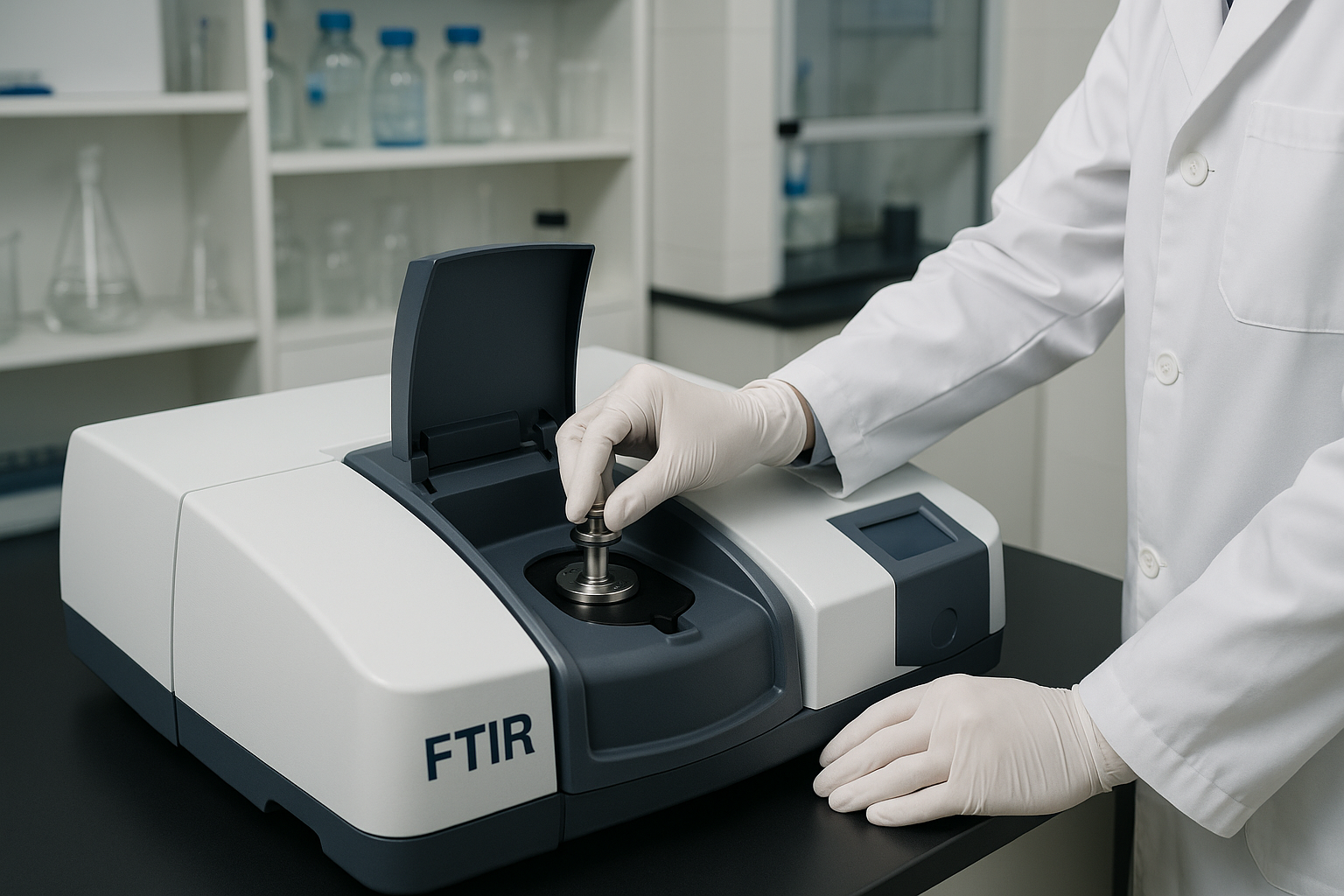
𝐈𝐑 Spectroscopy (FTIR, ISO 527 / ASTM E1252) Purpose: Identifies chemical structure and functional groups in polymers. Why: To verify polymer type, detect additives, or monitor degradation. Results: IR spectra,…
𝐐𝐔𝐕 Weathering Test (ISO 4892-3) Purpose: Simulates long-term exposure of plastics to sunlight (UV), heat, and moisture. Why: To evaluate how the material degrades or changes over time when used…
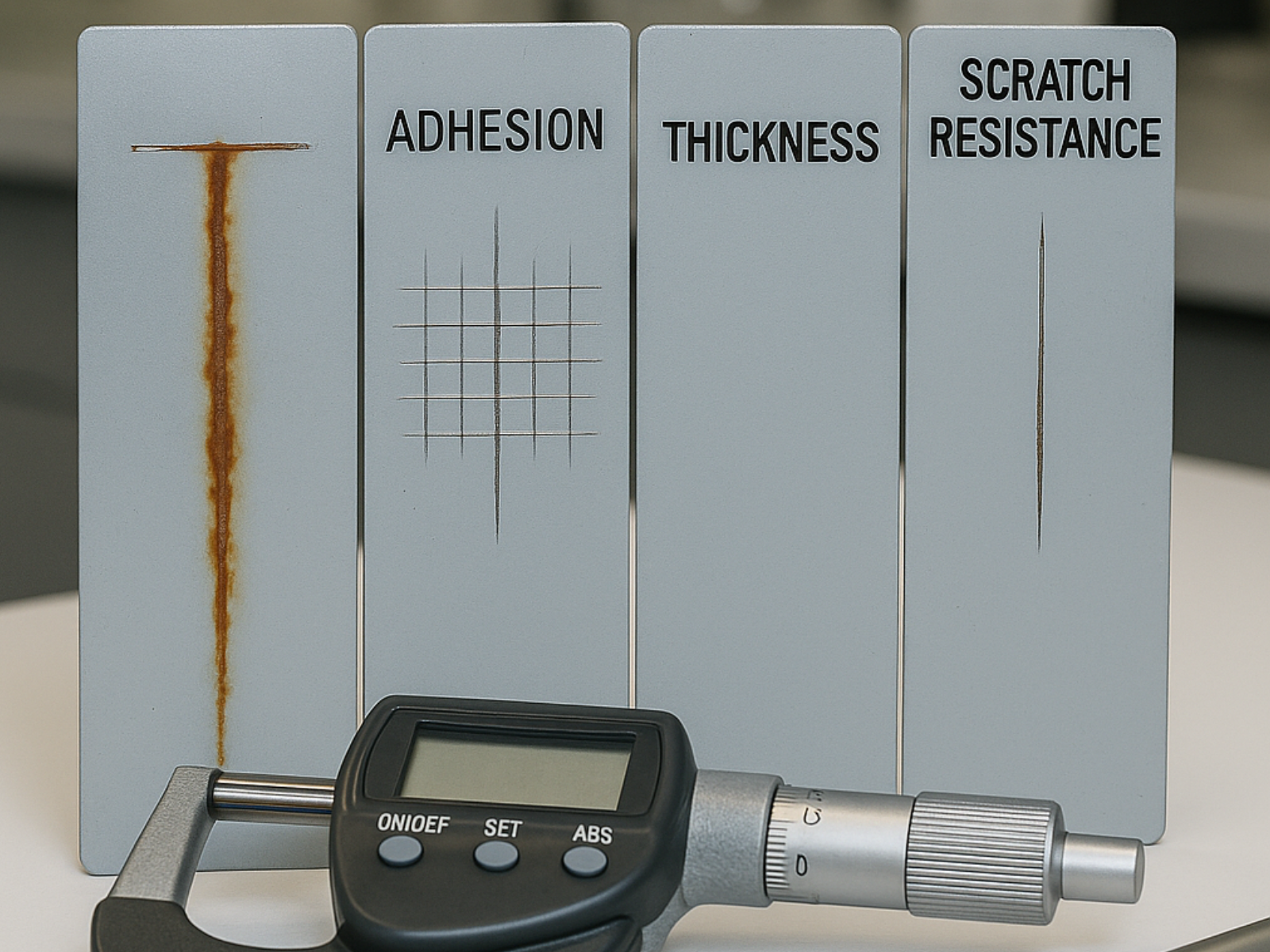
Mechanical Tests for Coatings To ensure that coatings provide not only chemical and environmental resistance but also mechanical durability, a variety of standardized tests are performed. These tests assess how…
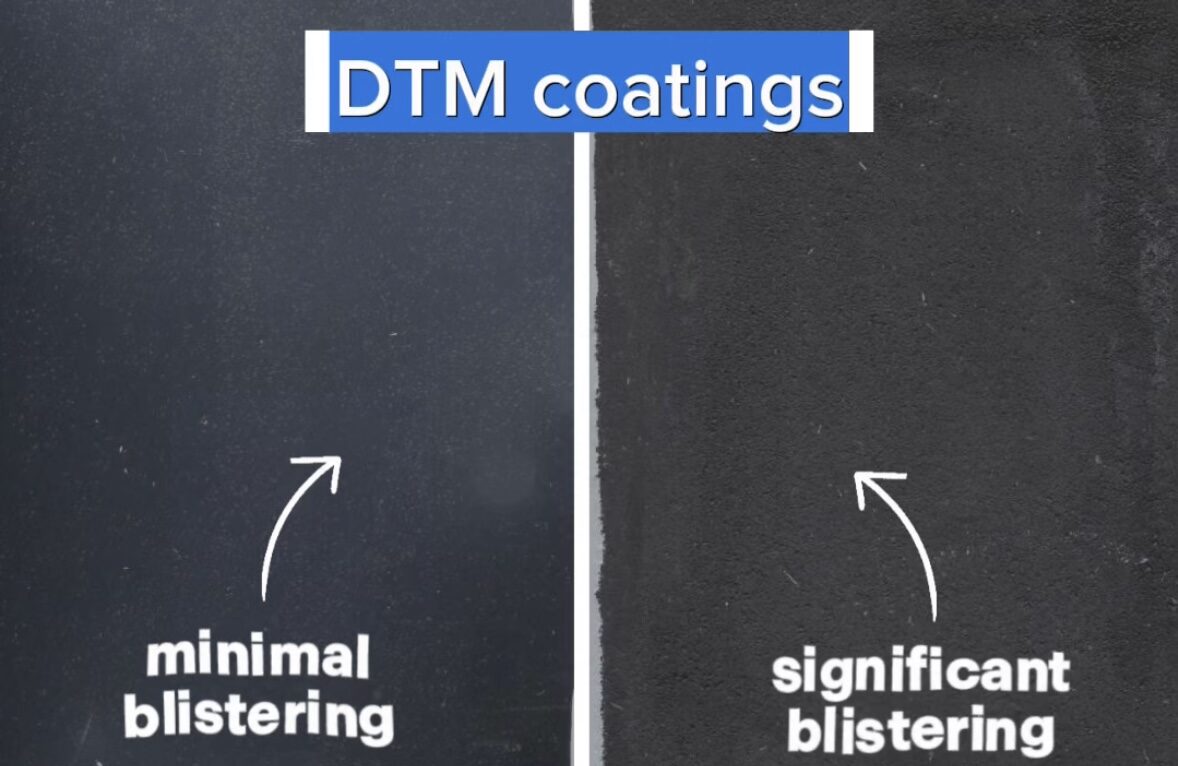
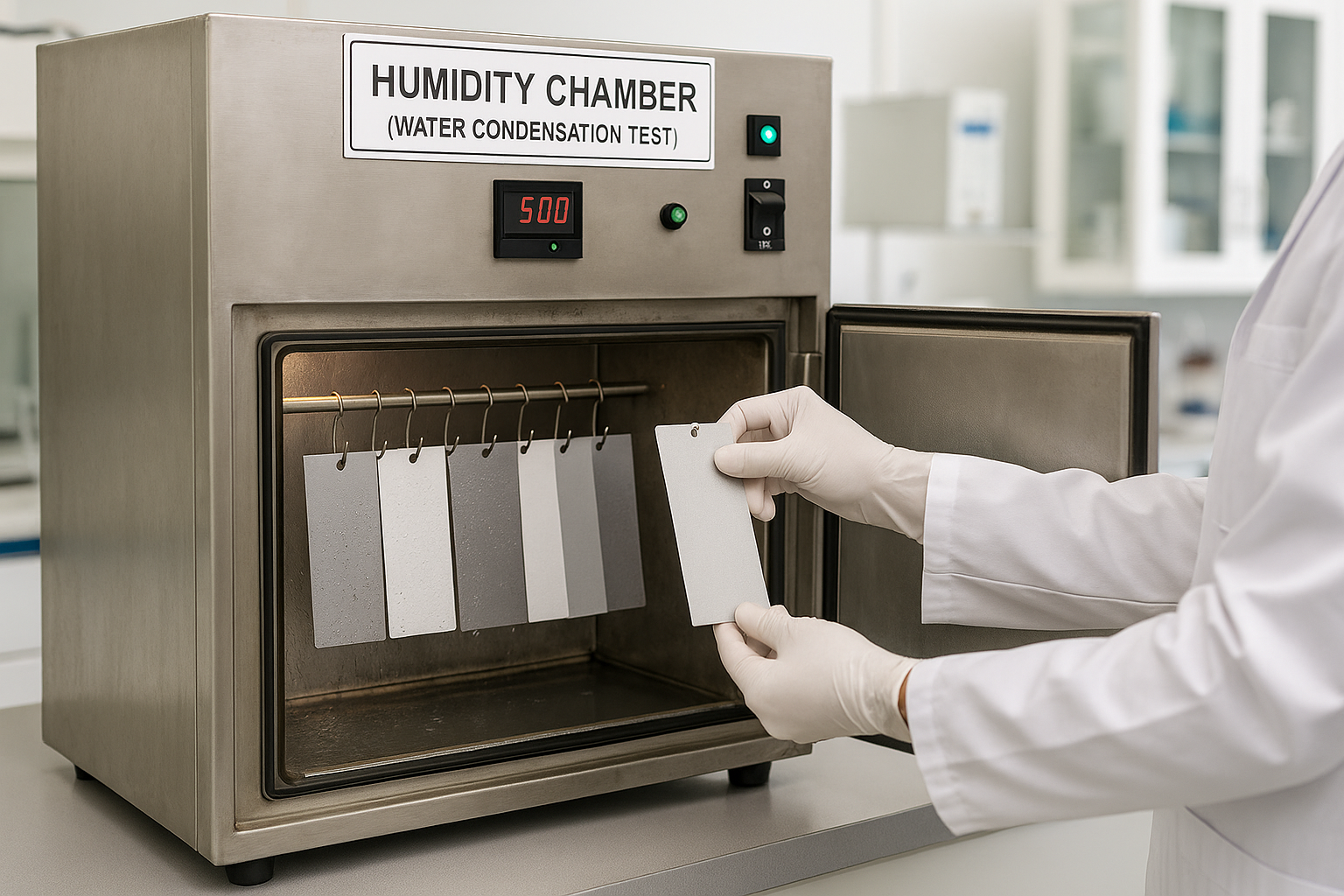
Humidity and Condensation Chamber Test The Humidity and Condensation Chamber Test is a widely used laboratory method to evaluate how coatings perform when exposed to high humidity and continuous condensation.…
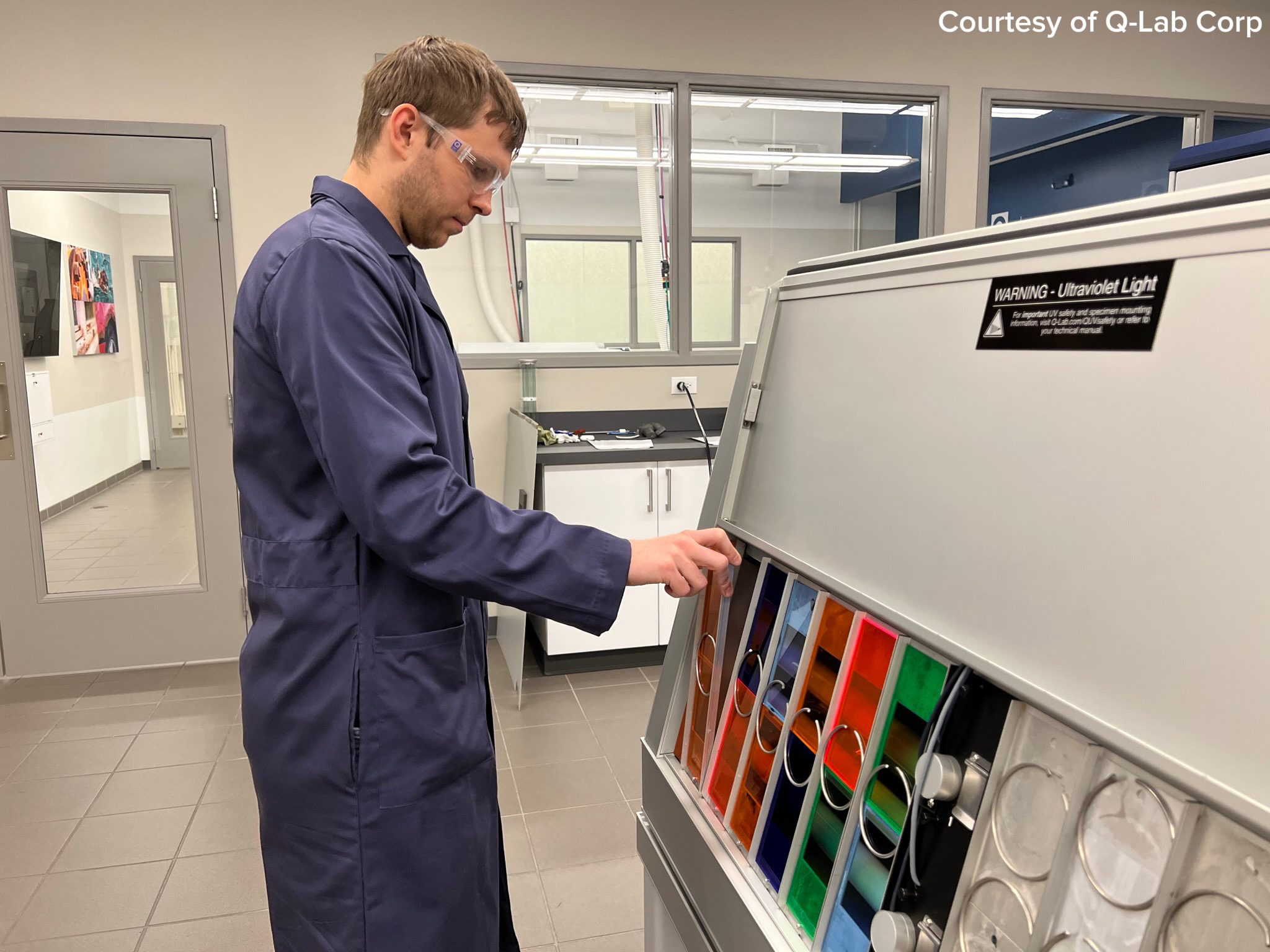
QUV accelerated weathering test The QUV Accelerated Weathering Test is a widely recognized laboratory method to simulate the damaging effects of sunlight, moisture, and heat on coatings and materials. By…
Salt Spray Test (Corrosion Resistance Testing) The Salt Spray Test (also called Salt Fog Test) is one of the most widely used accelerated corrosion testing methods for evaluating the protective…